Hallmarks of Aging Part 3 of 4
The human body is an intricate system of cells, tissues, and organs that work together to maintain balance and optimal health. One crucial aspect of this balance is the proper functioning of various biological processes, including proteostasis, immune response, and gut microbiome. However, when these processes become disrupted or dysfunctional, it can lead to a range of health problems, including chronic diseases and disorders.Interestingly, these processes are also hallmarks of aging, and as we age, our ability to maintain proper proteostasis, immune response, and gut microbiome balance can become compromised. In this blog post, we will explore the connections between the loss of proteostasis, disabled macrophages, and dysbiosis, and how they can contribute to the development of various health issues, especially as we age.We will examine the role of proteostasis in maintaining proper protein folding and degradation, the importance of macrophages in immune response and the consequences of their dysfunction, as well as the impact of gut dysbiosis on overall health. By understanding the complex interplay between these biological processes and aging, we can gain insights into how to better promote optimal health and prevent age-related diseases.So, let’s dive deeper into the world of proteostasis, disabled macrophages, and dysbiosis, and how they impact our health.
Loss of Proteostasis
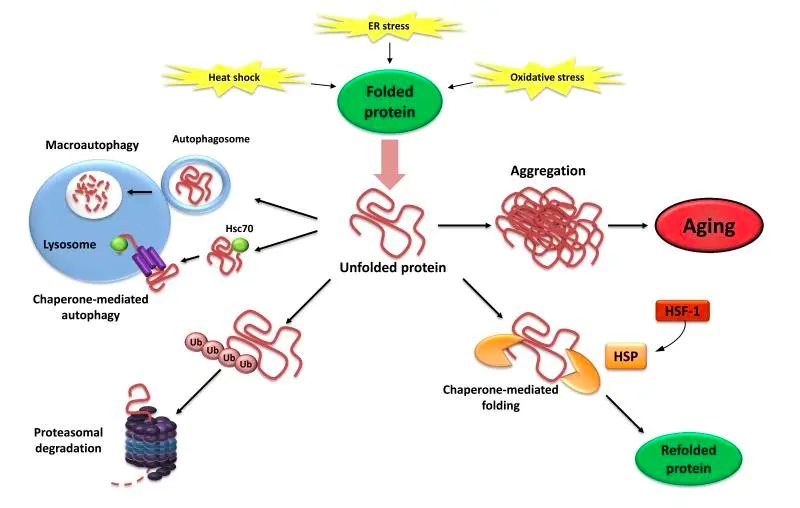
One of the hallmarks of aging is the “loss of proteostasis,” which refers to the inability of cells to maintain the proper folding, assembly, and degradation of proteins. Proteostasis is essential for maintaining the health and function of cells, and its decline is believed to contribute to the development of age-related diseases.
The loss of proteostasis can lead to the accumulation of damaged or misfolded proteins, which can form aggregates and disrupt cellular function. These aggregates are often found in the brains of individuals with neurodegenerative diseases, such as Alzheimer’s and Parkinson’s.
Furthermore, the loss of proteostasis is the accumulation of misfolded proteins, such as amyloid beta and tau, in the brain, which is a hallmark of Alzheimer’s disease. As people age, the brain’s ability to clear these misfolded proteins becomes impaired, leading to their accumulation and subsequent damage to brain cells. Researchers are investigating strategies to enhance the brain’s ability to clear misfolded proteins. One approach is to use drugs that target the activity of enzymes responsible for clearing misfolded proteins, such as the proteasome and autophagy pathways.