Sermorelin Boosts Wound Healing
HGH itself is a potent stimulator of wound healing, so it should come as no surprise that peptides like sermorelin, that increase HGH levels, have positive effects on the rate of wound healing. What might be more surprising, however, is the fact that sermorelin can help to reduce scar formation and extent. Scars, while obviously leading to wound healing, can cause tissue- and organ-level dysfunction. Mitigation of scarring while still promoting wound healing is a holy grail of medicine. Nowhere is this more true than in the cardiovascular system.Scarring of the heart is especially problematic because scars in cardiac tissue interfere with the ability of the heart to conduct electrical impulses and contract correctly as well as efficiently. This is the fundamental process underlying much of heart failure, which is still the leading cause of death in most industrialized nations. Research in rat models shows that sermorelin can protect heart cells from death, increase the production of extracellular matrix components, improve blood vessel growth, and reduce inflammatory cytokine levels. All of these factors lead to reduces in the size of scars following cardiac injury, which in turn leads to improve cardiac function. There is a great deal of interest in using sermorelin in the setting of acute myocardial infarction (heart attack) as a means of reducing the long-term consequences of this devastating event[4], [5].
The Impact of Sermorelin on Sleep
The sleep cycle, which is to say the progression of brain function through the various stages of sleep including REM sleep, is at least partially regulated by orexin. This potent neurochemical is produced by specialized neurons that are strongly associated with growth hormone secretion. Research in fish shows that orexin secretion is heavily dependent on a healthy growth hormone-releasing hormone (GHRH) axis. This research shows that sermorelin can boost orexin secretion via its effects on the GHRH receptor[6].
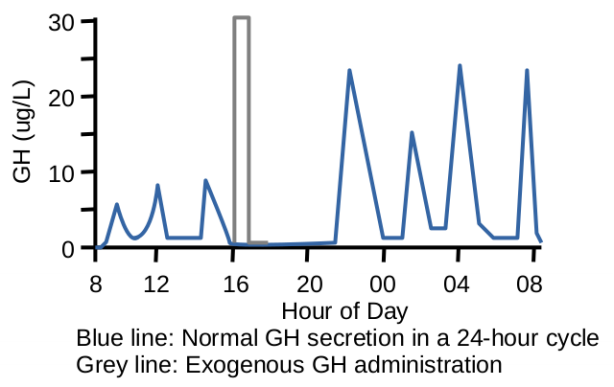
It should come as no surprise, given the proponents of sermorelin as a potential peptide in the fight against aging, that sleep plays a very prominent role in the aging process. Though it is a common misconception that older people don’t require as much sleep as their younger counterparts, this is absolutely not true. The elderly require just as much sleep as the rest of us, but inadequate sleep is both a cause of and consequence of aging. Recent advances in both the diagnosis and treatment of sleep apnea are having a profound effect on improving this situation, but there is still a great deal of room for progress[7]. Sermorelin, but establishing a more youthful GH secretion pattern, may be one of the keys to helping to not only offset the effects of sleep on the aging process, but also the effects of aging on sleep. Dr. Richard Walker, of the International Society for Advanced Research in Aging (SARA), points out that sermorelin may be one of the most effective GHRH-R agonists for addressing the effects of aging and replacing HGH in treating growth hormone deficiency associated with age.