Restock in progress. Add your email and we will tell you the moment this compound is back in stock.
One email when this is back in stock. No spam, unsubscribe anytime.
Product details
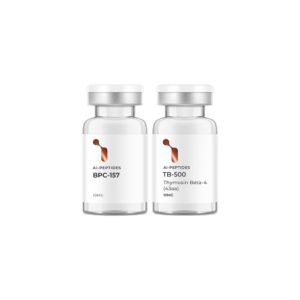
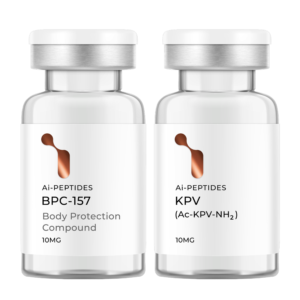
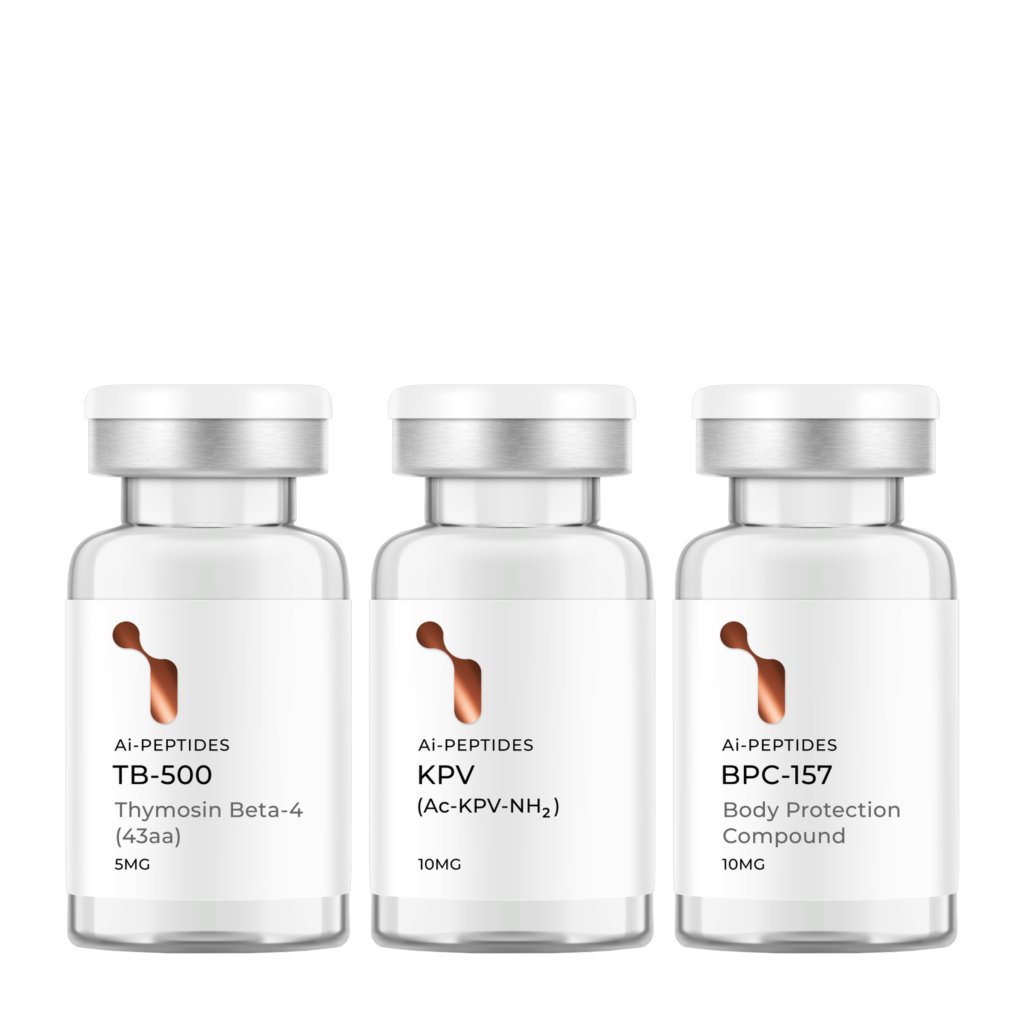
Axis-3 Research Bundle is supplied as a set of laboratory research compounds with defined reference identities. The set contains BPC-157, TB-500, KPV, each in its own vial.
This listing is limited to product identity, analytical documentation, and research-use status. Each component is provided for qualified laboratory research only and is not intended for human or veterinary use. Each batch is independently tested for identity, purity, and consistency, with a lot-specific Certificate of Analysis provided for documentation and internal research records.
Set contents
BPC-157, TB-500, KPV, supplied as separate vials
Components
3 research peptides
Form
Lyophilised (freeze-dried) powder
Testing
Each component independently third-party tested by RP-HPLC, released per lot
Full specifications
Storage
Store the sealed vials at -20°C, away from direct sunlight and protected from light.
Documentation
A Certificate of Analysis and a Safety Data Sheet are available on request for every component batch.
Intended use
For research use only. Not for human or veterinary use. Not for use in diagnostic or therapeutic procedures.
Verified-order reviews on service, shipping, and product quality appear here once the first order is reviewed.
$302
Certificate of Analysis
Axis-3 Research Bundle 3 vials
TB-500
BPC-157 COA
KPV coa
Independently issued per batch. Verify directly with the issuing lab.
30-second check, free
Can you read a peptide COA? Take the check and find out.3 quick questions. See your COA reading result, then we send the one-page checklist and a one-time code for your first order to your inbox.
30-second check
How well can you read a peptide COA?
3 quick questions. See where you stand, get the one-page checklist that settles it, and 10 percent off your first order.
All products on this site are for research and development use only. Products are not for human consumption of any kind. The statements made within this website have not been evaluated by the US Food and Drug Administration, and are not intended to diagnose, treat, cure or prevent any disease.
Are you 21 or older?
This site supplies research compounds for qualified laboratory research. You must be 21 or older to enter. Entering confirms your age and that products are for research use only, not for human consumption.
You must be 21 or older to access this site.
All products on this site are for research and development use only. Products are not for human consumption of any kind.


 Crypto