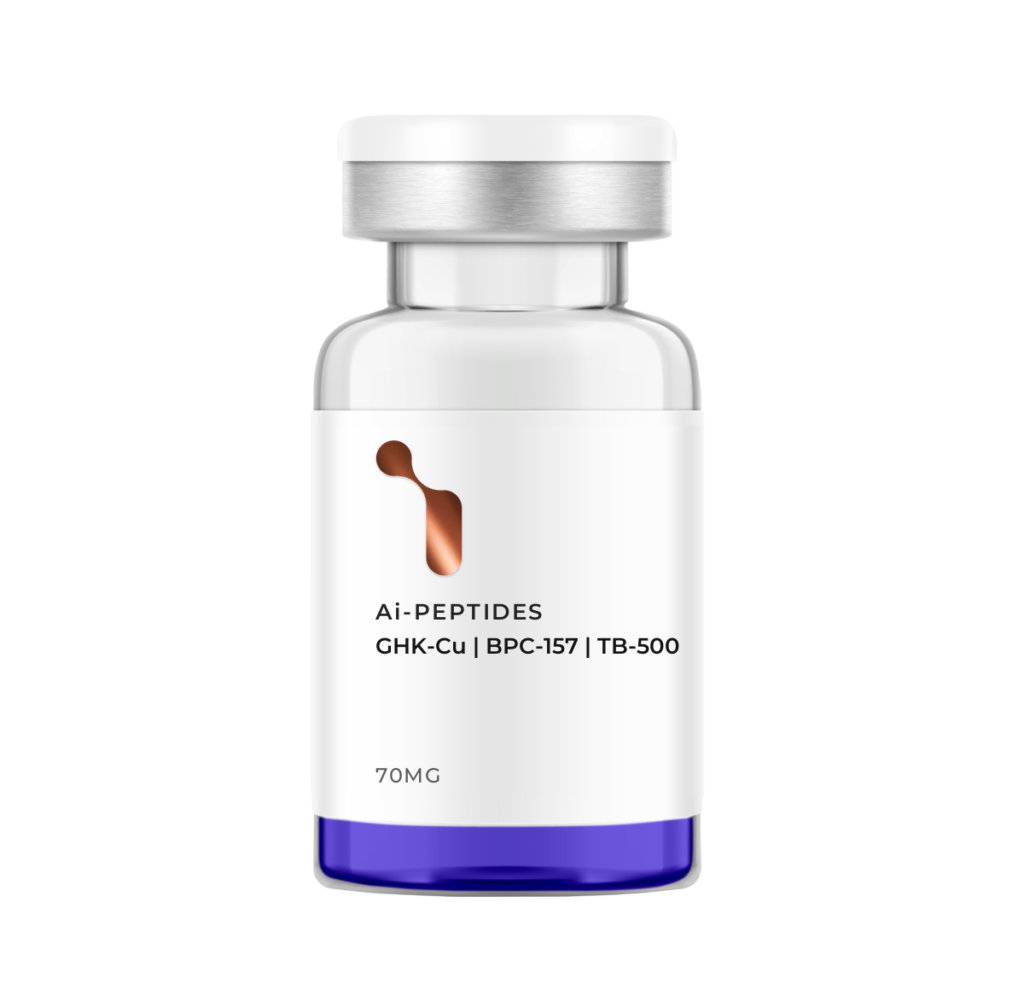
GLOW - BPC-157, TB-500, GHK-Cu
GLOW - BPC-157, TB-500, GHK-Cu

 Crypto
Restock in progress. Add your email and we will tell you the moment this compound is back in stock.
One email when this is back in stock. No spam, unsubscribe anytime.
Product details
This is a research blend combining three peptides in a single lyophilised vial: GHK-Cu, the copper(II) complex of the tripeptide glycyl-L-histidyl-L-lysine; BPC-157, a synthetic pentadecapeptide derived from a protective fragment of gastric juice protein; and TB-500, a synthetic peptide corresponding to an actin-binding region of thymosin beta-4.
At the molecular level, GHK-Cu belongs to the metal-binding tripeptide class and coordinates a copper(II) ion; BPC-157 belongs to the pentadecapeptide class; and TB-500 belongs to the actin-binding peptide class. The three are supplied together as a research compound and are not intended for human or veterinary use.
Full specifications
Complete your order
supplied for laboratory research only
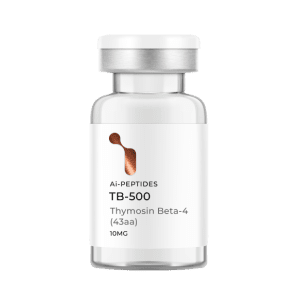
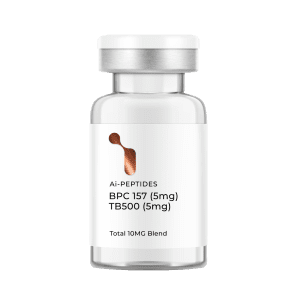
Recently viewed
picks up where you left off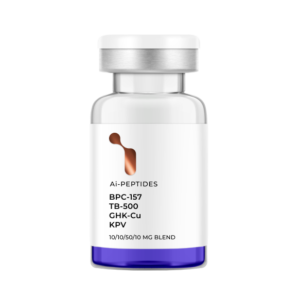
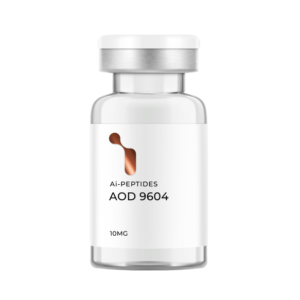
Research
Each component of this blend has been characterised in preclinical laboratory models. The primary studies below are grouped by component, in animal, cell-free, and cultured-cell systems, and examine molecular, biomechanical, histological, and cellular endpoints. The literature is preclinical; it describes the compounds, not any outcome in humans.
6 preclinical studies indexed · ghk-cu research, bpc-157 research and tb-500 research · links open on PubMed
GHK-Cu research 2 studies
In vitro / ex vivo
Copper-GHK increases integrin expression and p63 positivity by keratinocytes
In cultured keratinocytes and skin-equivalent constructs, the study assayed integrin alpha-6 and beta-1 expression by Western blot and quantified PCNA and p63 positivity by immunostaining as cellular endpoints.
Read the study ↗
In vitro
The tripeptide-copper complex glycyl-L-histidyl-L-lysine-Cu2+ stimulates matrix metalloproteinase-2 expression by fibroblast cultures
In cultured dermal fibroblasts, the study measured matrix metalloproteinase-2 protein in conditioned media and its mRNA level, alongside TIMP-1 and TIMP-2 expression, separating the copper-ion contribution from the bare tripeptide.
Read the study ↗
BPC-157 research 2 studies
Animal and in vitro
Gastric pentadecapeptide BPC 157 and transected rat Achilles tendon with paired in vitro tendocyte culture
In a rat Achilles tendon transection model paired with cultured tendocytes, the peptide was studied for biomechanical, functional, and histological tissue endpoints and for tendocyte outgrowth in vitro, including its effect against the oxidative modulator 4-hydroxynonenal.
Read the study ↗
Animal model
Stable gastric pentadecapeptide BPC 157 in a rat Achilles tendon-to-bone detachment model with a corticosteroid co-treatment arm
In a rat Achilles tendon-to-bone detachment model, the peptide was studied across functional, biomechanical, and microscopic tissue endpoints relative to saline controls and a corticosteroid (6-alpha-methylprednisolone) co-treatment arm.
Read the study ↗
TB-500 research 2 studies
In vitro
Thymosin beta-4 binds the actin monomer in an extended conformation, contacting both the barbed-end and pointed-end faces
Using circular dichroism, NMR, and cross-linking, the study placed thymosin beta-4 in an extended conformation along the actin monomer, contacting both the barbed-end and pointed-end faces and forming a 1:1 complex that blocks polymerization and nucleotide exchange.
Read the study ↗
In vitro
The ATP and ADP nucleotide state of the actin monomer modulates its interaction with thymosin beta-4
In cell-free assays, thymosin beta-4 bound MgATP-actin with roughly fifty-fold higher affinity than MgADP-actin, tying its monomer-sequestering activity to the nucleotide state of the actin monomer as a measured endpoint.
Read the study ↗
Links open the original study on PubMed. For research and educational purposes, descriptive of the published preclinical literature, not therapeutic claims about any ai-peptides product. A Certificate of Analysis and a Safety Data Sheet are available on request for every batch.
Reviews
Verified-order reviews on service, shipping, and product quality appear here once the first order is reviewed.